Blog 2: “Navigating Family-Owned Boards: Balancing Roles, Avoiding Groupthink, and Planning for Succession”
Introduction
Family-owned companies, rooted in legacy and shared values, often blend
governance with
personal ties in ways mainstream corporate boards do not. Despite the potential synergy, boards of family enterprises also face
distinct pitfalls: from mixing roles (shareholder, director, CEO) to inadvertently turning board meetings into power displays or training sessions for heirs. Further complicating matters is the
danger of groupthink when a dominant shareholder eclipses dissenting voices, and the lack of representation for
non-shareholder stakeholders who still have a vested interest in the company’s success (e.g., employees, community partners, or major suppliers).
This article, part of the “What Makes Great Boards Great” series, highlights these unique challenges. By understanding how
human dynamics and relational complexities shape board effectiveness, we can ensure the board remains a forum for
strategic dialogue rather than personal authority or routine administration. The goal: harness the best of
family unity while preserving the vital oversight and creative tension needed for sustainable growth.
-
The Triad of Shareholder, Director, and CEO
1.1 Overlapping Roles
Many family businesses place the same individual in multiple roles—
majority shareholder,
board chair, and
CEO. While this can simplify lines of command, it often blurs the
governance function.
- Consequence: Self-review. A CEO who’s also a controlling owner might overshadow board discussions. Directors fear challenging someone who effectively “signs off” on everything.
1.2 Clarity Is Key
- Define each role—where does shareholder authority end, and board authority begin?
- Ensuring independent or external directors have room to question strategies or management performance helps avoid rubber-stamping decisions.
-
Board Meeting: Not a Venue to Exercise Authority
2.1 Common Misuse
Sometimes, controlling family heads
dominate board meetings to assert personal will. This can undermine genuine discussion. The board becomes a
formality, with real power resting elsewhere.
2.2 Ideal Board Conduct
- Strategic Oversight: Board time is for long-range decisions, risk assessment, and major resource allocation—not a personal authority show.
- Structured Agendas: Stick to pre-set topics; encourage all directors to weigh in, rather than letting one voice lead without debate.
Key Thought: The board collectively holds authority during its sessions, not just the majority owner.
-
Danger of Groupthink under a Dominant Shareholder
3.1 How Groupthink Develops
When a single large shareholder implicitly dictates direction, other directors may
self-censor or align prematurely. Even if each director is bright, synergy gives way to complacent agreement or fear-based silence.
3.2 Mitigating Groupthink
- Chair or Lead Director must cultivate a climate of healthy dissent.
- Recruit independent directors with strong backbones, able to challenge assumptions.
- Encourage anonymous feedback or offline discussions if the board culture historically penalizes open disagreement.
Key Thought: Groupthink can reduce an otherwise high-IQ board’s effectiveness, pushing the “collective IQ” below 100. Addressing power imbalances is crucial.
-
Resourceful Shareholders May Not Contribute
4.1 Passive Directors
In some families, individuals with significant ownership but modest day-to-day involvement sit on the board yet remain quiet. They may
underestimate their potential input or worry about causing conflict.
4.2 Engaging All Voices
- Provide context: Thorough board materials, strategic updates, external analyses so that these members feel confident speaking.
- A culture of respect ensures that no one’s viewpoint is dismissed. This inclusive approach harnesses the diversity of experiences and strengthens board decisions.
-
Board Meeting as a Strategic Platform
5.1 Focus on Big Picture
A board meeting’s primary function: shape
long-term vision. Family ties can create gravitational pull toward daily operational topics or interpersonal spats. Resist that.
5.2 Tools for Strategy
- Annual Offsites: Dedicate multi-hour or multi-day sessions to deep strategic reviews.
- Regular Environmental Scans: Directors bring relevant market data, competitor insights, or technology trends, ensuring the company stays proactive.
Key Thought: The board’s best value is bridging the management’s day-to-day with future aspirations, leaving small operational decisions to executives.
-
Shareholders’ Role: Appoint the Board, Then Let It Function
6.1 Proper Boundaries
Shareholders—especially controlling family owners—should avoid micromanaging the
board. Instead, they elect directors who collectively oversee the company.
6.2 Danger of Overshadowing
- If family owners keep swooping in post-meeting or overriding board discussions, true accountability erodes. Directors become figureheads rather than active participants.
Key Thought: Once the right directors are chosen, trust them. Oversight is the board’s domain. Constant external meddling from shareholders saps both morale and efficacy.
-
Board Meeting Is Not a Successor Training Ground
7.1 Balancing Succession Needs
Grooming next-gen leaders is vital for continuity. However, the board meeting’s formal agenda is not the place to “train” novices in the basics. That can bog down strategic discussions.
7.2 Alternative Development Paths
- Encourage younger family members to observe or serve on committees with lesser stakes.
- Provide them mentors or separate coaching programs.
- If they attend board sessions, treat them as silent observers rather than co-decision-makers until they’re ready.
Key Thought: The board’s precious time and focus should remain on governance. Let next-gen development occur in parallel but not overshadow formal board responsibilities.
-
Transition to Next Generation: A High-Risk Event
8.1 Emotional & Structural Complexity
Handing the company from one generation to the next can trigger disputes if roles, ownership splits, or leadership expectations aren’t crystal clear. The board must help define and guide this crucial juncture.
8.2 Board’s Stabilizing Role
- Set Succession Timelines: Avoid last-minute leadership scrambles.
- Evaluate Readiness: The board can provide external coaching or require an external review to confirm successor competence.
- Conflict Mitigation: If sibling rivalries loom, having a strong board with independents can quell destructive infighting, ensuring the firm’s continuity.
Key Thought: Succession is the biggest test of a family firm’s viability. A board that sees beyond personal loyalties and focuses on the company’s best interest can ensure a smoother transition.
-
Limited Stakeholder Representation Beyond Shareholders
9.1 Missing Voices
In many family boards, the only real stakeholder group at the table is the
family shareholders. Yet employees, suppliers, the local community, or other partners might have a material stake in outcomes—especially in tight-knit communities where the family business is a major employer.
9.2 Why Broader Representation Can Help
- Diversity of Perspectives: Hearing how decisions affect workers or local markets can guide more sustainable policies.
- Reducing Insularity: A board that only includes family voices risks ignoring external market signals, employee morale, or social responsibility.
- Possibility of Independent Directors: Hiring outside directors who reflect these broader perspectives can fill the gap, balancing the purely shareholder-driven viewpoint with other stakeholder considerations.
Key Thought: While family owners hold the equity, ignoring other stakeholders’ interests can hamper strategic resilience. Inviting or at least acknowledging these perspectives can enrich decision-making.
Conclusion
Family-owned enterprises can thrive on
deep commitment and
legacy—but face
unique governance pitfalls, from overshadowed boards and groupthink to blurred lines between shareholder authority and director function. By
recognizing that board meetings are for
collective strategic oversight, ensuring no single voice dominates, and safeguarding robust debate, family boards can harness their full “collective IQ.” Simultaneously, acknowledging intangible challenges like
stakeholder representation beyond shareholders and handling
next-gen succession ensures a smoother, long-term path.
Ultimately, the
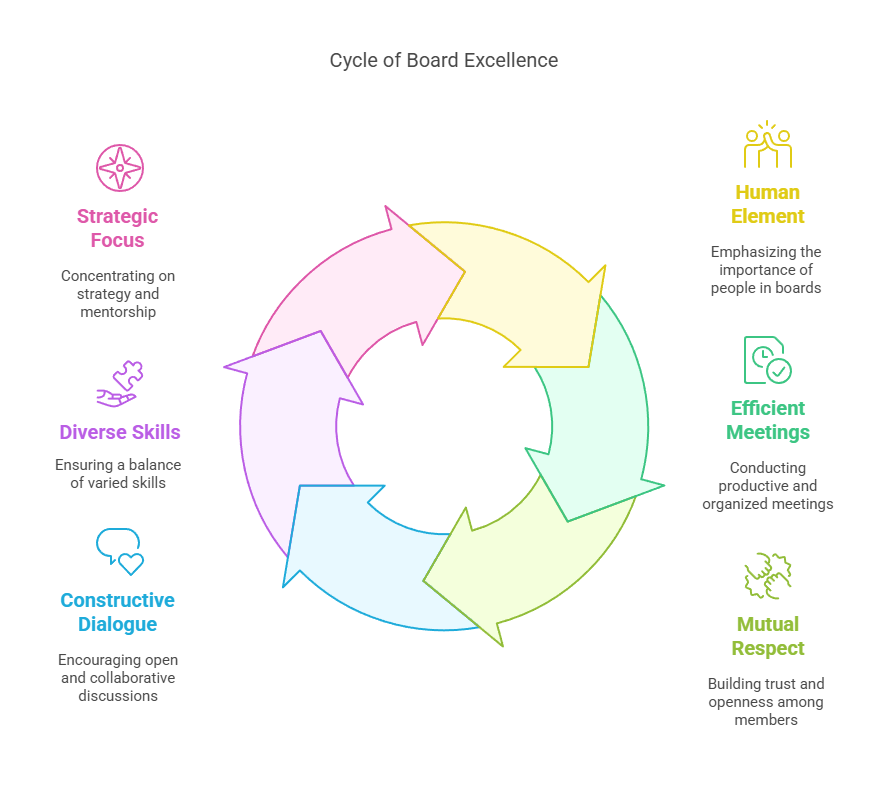
human element—the synergy among directors, the trust among siblings, the openness to dissent—makes or breaks a family board’s effectiveness. With clear role boundaries, thoughtful leadership, and consistent respect for good governance principles, even a closely held, family-run firm can cultivate a
high-performing board that steers the enterprise toward sustainable success for generations to come.
Ready to Act?
Contact us for a 15-minute free consultation. Email:
sanjay@sankulinc.com Phone:
6472977025.
www.sankulinc.com www.businessvaluegrowth.com
© 2025 [Sanjay Kulkarni, Sankul Enterprises Inc.] All rights reserved. This article is protected under copyright laws. Unauthorized copying, reproduction, or distribution is strictly prohibited. For permissions, contact above.
Disclaimer:
The information provided in this article is for general informational purposes only and does not constitute professional advice. While every effort has been made to ensure the accuracy of the information, it may not apply to specific situations. Readers are encouraged to seek personalized advice from a qualified professional regarding their unique circumstances. The author and publisher accept no responsibility for any decisions made based on this content.